
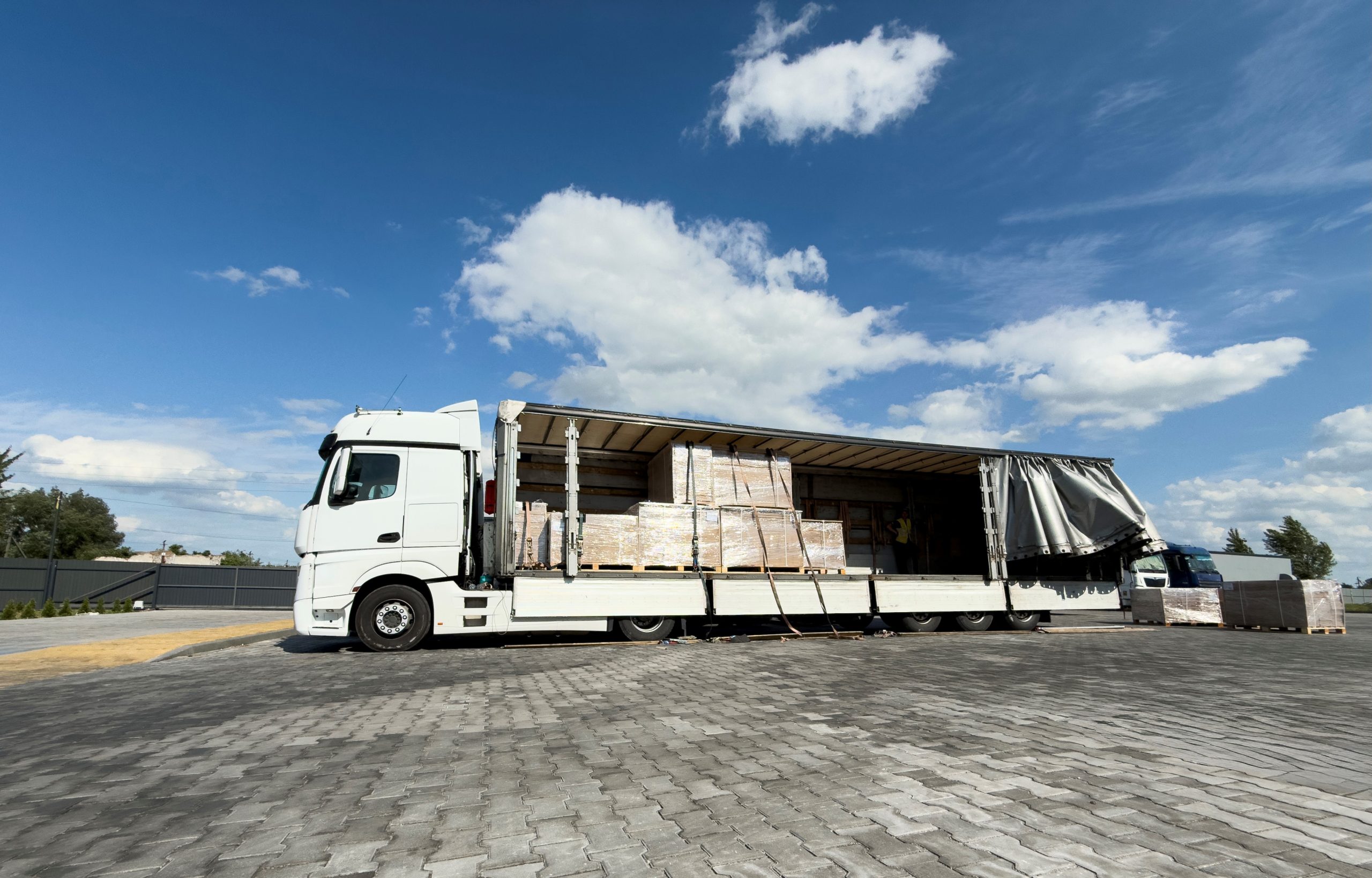
Maximize Delivery Efficiency & Fleet Performance
Curtain-side and stake-body trucks are essential assets in transportation, logistics, distribution, and construction supply operations. These versatile vehicles are designed to transport general cargo, palletized goods, machinery, and oversized materials that require easy access for loading and unloading. Curtain-side trucks provide quick side access through retractable tarps, while stake-body trucks offer flexible open-bed configurations that accommodate irregular or bulky loads.
Together, these truck types help optimize cargo security, improve delivery efficiency, and support a wide range of hauling applications. However, expanding or upgrading a fleet of specialty trucks can require significant capital investment in vehicles, modifications, and operational equipment. Equipment financing provides a flexible solution that allows businesses to deploy or upgrade curtain-side and stake-body trucks without large upfront expenditures, helping maintain liquidity while improving fleet capability and performance
Upgrade Fleet Performance with Modern, Fuel-Efficient Truck Technology
Newer truck models often include improved suspension systems, enhanced fuel efficiency, advanced telematics, and better cargo securing mechanisms. These upgrades help reduce maintenance costs, improve driver safety, and optimize route performance. Equipment financing makes it easier to acquire or upgrade to these modern vehicles, allowing businesses to improve fleet reliability and productivity without the burden of large upfront costs.
Scale Your Fleet to Support Expanding Routes & Demand
As logistics operations grow, businesses often face increasing demand for faster deliveries, expanded service areas, and higher shipment volumes. Without the ability to scale quickly, companies risk delayed deliveries, reduced customer satisfaction, and operational bottlenecks. Fleet expansion becomes a critical factor in maintaining competitiveness and meeting service expectations.
Flexible equipment financing enables organizations to add curtain-side and stake-body trucks as needed without disrupting cash flow or tying up capital reserves. This allows businesses to respond quickly to new contracts, seasonal demand spikes, or geographic expansion opportunities. By maintaining financial flexibility, companies can continue investing in operations, workforce development, and additional logistics infrastructure while growing their fleet strategically.
Bundle Trucks, Accessories, and Services into One Financing Solution
Acquiring curtain-side and stake-body trucks often involves more than purchasing the vehicle itself. Many operations require liftgates for heavy cargo handling, tarping systems for weather protection, advanced securing equipment, GPS tracking systems, driver training, and ongoing maintenance agreements. Managing these components separately can increase administrative complexity and create inconsistent budgeting.
Equipment financing simplifies this process by allowing businesses to bundle trucks, accessories, installation services, training, and maintenance agreements into a single structured financing solution. This creates predictable monthly payments, improves cost visibility, and streamlines procurement. The result is a fully equipped fleet that is operational from day one with fewer administrative burdens and more efficient financial planning.

Strengthen Operations While Preserving Financial Flexibility
Curtain-side and stake-body trucks play a critical role in maintaining efficient supply chains, ensuring timely deliveries, and meeting customer expectations across industries. Reliable fleet performance reduces delays, minimizes cargo damage, and enhances overall service quality, all of which contribute to stronger client relationships and business growth.
Affordable equipment financing allows organizations to expand or modernize their fleet without large upfront capital commitments. By converting major vehicle investments into manageable monthly payments, businesses can preserve cash flow for fuel, staffing, infrastructure, and expansion initiatives. This approach supports operational stability while maintaining the financial flexibility needed to grow and adapt in a competitive logistics environment.