
Improve Lumber Transport Efficiency & Load Security
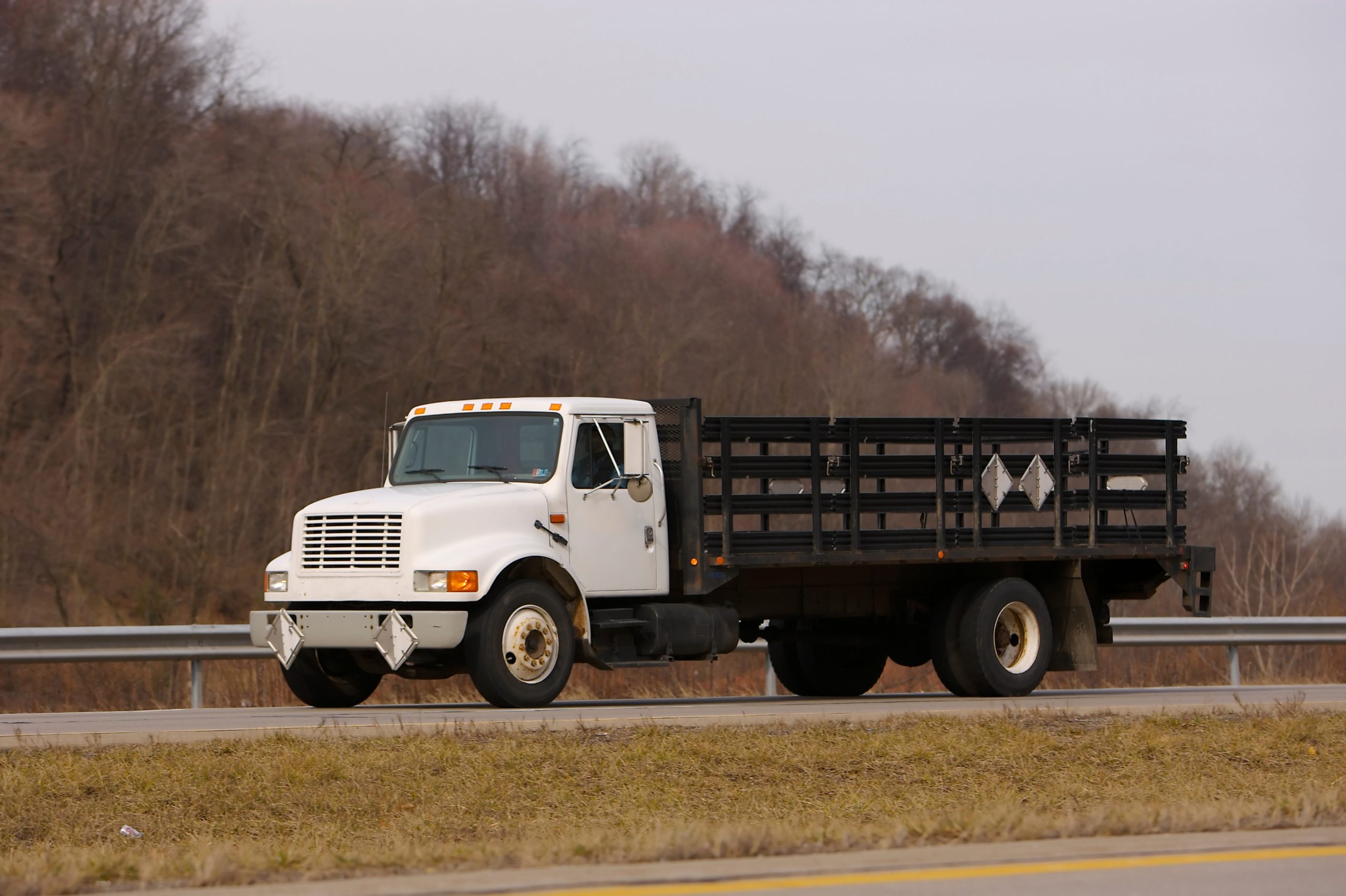
Flatbed trucks are a cornerstone of the lumber and forestry supply chain, designed to transport raw timber, cut lumber, plywood, beams, and other building materials safely and efficiently from mills to distribution centers and job sites. Their open deck design allows for fast loading and unloading of long, heavy, and irregularly shaped materials that cannot be transported in enclosed trailers. In the lumber industry, where timing, volume, and material integrity are critical, flatbed trucks keep production and construction pipelines moving without interruption.
However, expanding or upgrading a lumber hauling fleet requires significant investment in specialized flatbeds, reinforced frames, load securement systems, and compliance equipment. Equipment financing provides a flexible solution that allows businesses to acquire or upgrade flatbed trucks without large upfront costs, helping lumber suppliers, distributors, and contractors scale operations while preserving working capital and maintaining financial flexibility.
Enhance Lumber Hauling Safety with Advanced Flatbed Load Security Solutions
Load security is especially critical in lumber hauling, where shifting materials can cause safety risks and product damage. Today’s flatbeds often include advanced tie-down systems, adjustable stake racks, winch points, and integrated cargo control features that help secure loads during transit. Financing allows companies to upgrade to these modern, safety-focused trucks that reduce material loss, improve driver safety, and increase delivery reliability across the supply chain.
Scale Lumber Hauling Capacity to Match Market Demand
The lumber industry is highly responsive to construction cycles, housing demand, and seasonal building activity. During peak construction periods, demand for timber and building materials can rise rapidly, requiring transportation providers to increase fleet capacity quickly to avoid supply chain bottlenecks.
Equipment financing enables businesses to scale their flatbed truck fleets without large capital expenditures, allowing them to respond quickly to increased lumber transport needs. Whether supporting sawmills, lumber yards, or construction suppliers, companies can add trucks strategically to handle higher shipment volumes, expand delivery routes, and maintain service reliability while preserving cash flow for operations and inventory management.
Bundle Lumber Trucks, Securement Systems & Services into One Plan
Lumber hauling requires more than just a flatbed truck. Operations often depend on specialized equipment such as stake sides, bulkhead racks, tarping systems for weather protection, chains and straps for load securement, and GPS tracking systems for route optimization. In addition, driver training and ongoing maintenance services are essential to ensure safe and efficient operations.
Equipment financing simplifies procurement by bundling trucks, lumber handling equipment, safety systems, maintenance programs, and training services into one structured payment plan. This approach reduces administrative complexity, improves budgeting accuracy, and ensures that every component of the hauling operation is fully integrated and ready for use from day one.

Strengthen Lumber Supply Chains While Preserving Cash & Credit Lines
Flatbed trucks are essential to keeping the lumber supply chain moving efficiently from forest operations to mills, distributors, and construction sites. Reliable transportation ensures that timber products arrive on time, maintain quality, and support continuous building activity without costly delays. Equipment financing allows businesses in the lumber industry to modernize or expand their flatbed fleets without large upfront investments. By spreading costs into predictable monthly payments, companies can preserve working capital for inventory, staffing, equipment maintenance, and expansion initiatives. This approach supports operational resilience, improves delivery performance, and strengthens long-term financial flexibility.