
Increase Transport Speed & Reliability with Financing
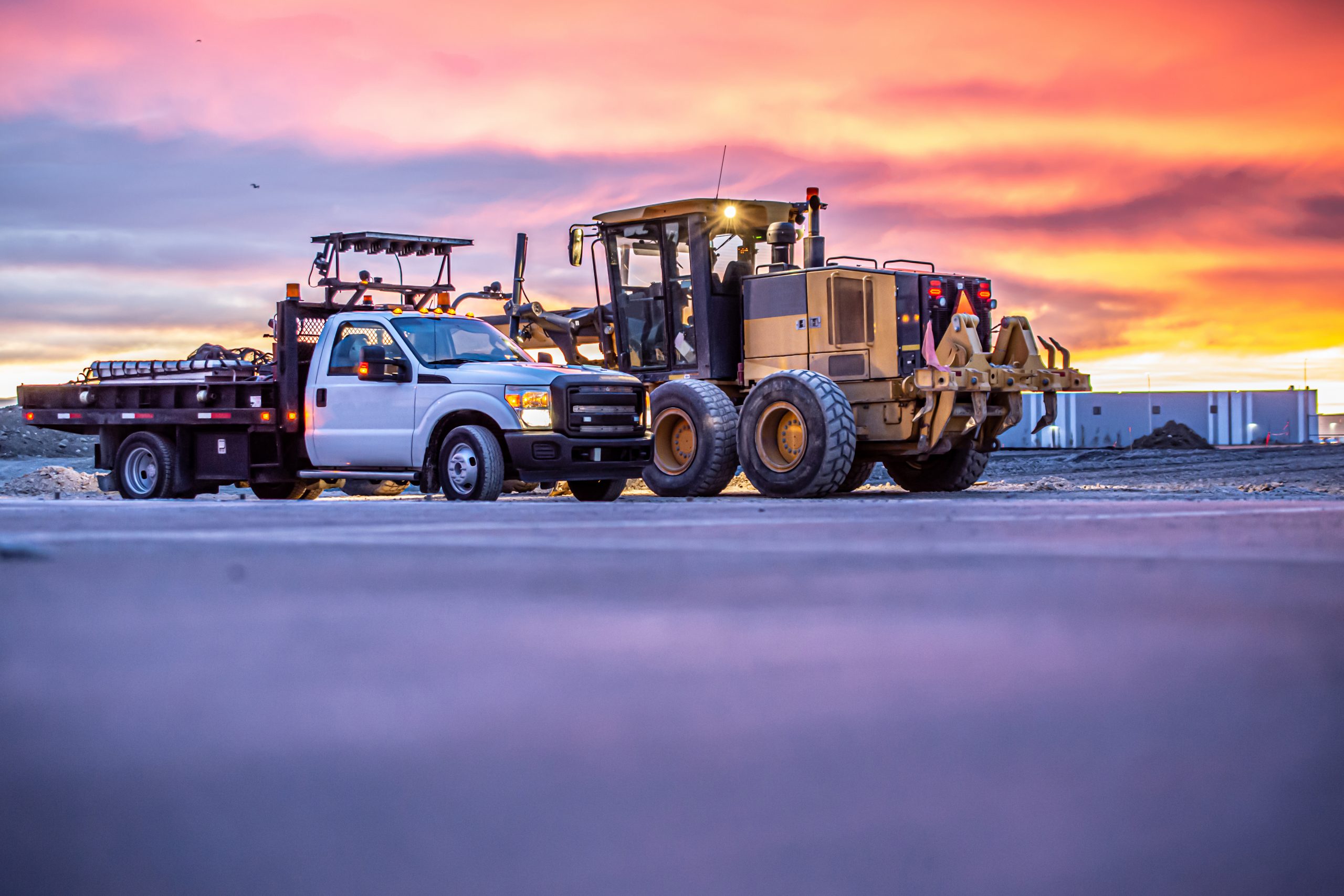
Hotshot trucks and gooseneck trailers are essential assets in expedited freight, construction logistics, oil and gas operations, agriculture, and equipment transport industries. These powerful combinations are designed to haul heavy equipment, machinery, pallets, building materials, and oversized loads quickly and efficiently over short and long distances. Their flexibility makes them ideal for time-sensitive deliveries where traditional freight solutions may be too slow or restrictive.
Hotshot setups provide a cost-effective alternative to full size commercial trucking operations, allowing businesses to move critical loads on demand while maintaining agility and control over scheduling. However, acquiring reliable hotshot trucks and heavy-duty gooseneck trailers requires investment in high-capacity towing systems, reinforced frames, advanced braking systems, and specialized hauling configurations. Equipment financing enables businesses to acquire or upgrade this equipment without large upfront capital expenditures, helping operators expand capabilities while preserving working capital and financial flexibility.
Enhance Hauling Safety & Performance with Modern Gooseneck Trailer Solutions
Gooseneck trailers further improve stability and weight distribution, allowing for safer transport of equipment such as skid steers, generators, construction machinery, and industrial materials. Financing allows businesses to upgrade aging equipment or invest in newer, more capable hotshot trucks and trailers without delaying operations due to budget constraints. By deploying modern hauling equipment, companies can reduce downtime, improve driver efficiency, and maintain consistent on time delivery performance across demanding routes.
Scale Your Fleet Easily as Project Demands Grow
Demand for hotshot trucking services often fluctuates based on construction activity, industrial projects, seasonal workloads, and emergency transport needs. Without the ability to scale quickly, businesses may miss revenue opportunities or struggle to meet tight delivery deadlines. Fleet flexibility is critical in maintaining competitiveness in this fast-paced industry.
Equipment financing allows operators to expand their fleet of hotshot trucks and gooseneck trailers quickly and efficiently without tying up large amounts of capital. This makes it easier to respond to new contracts, increase hauling capacity during peak demand, and expand service coverage across multiple regions. By financing fleet growth strategically, businesses maintain operational agility while preserving cash flow for fuel, insurance, staffing, and other critical expenses.
Bundle Trucks, Trailers & Services into a Single Financing Plan
Operating a hotshot trucking business involves more than just purchasing vehicles. Many operations require specialized gooseneck trailers, towing packages, cargo securement systems, GPS tracking, electronic logging devices, maintenance programs, insurance considerations, and driver training. Managing these components separately can create administrative complexity and unpredictable costs.
Affordable equipment financing simplifies this process by bundling trucks, trailers, equipment upgrades, maintenance services, training programs, and additional operational tools into one structured financing solution. This consolidated approach provides predictable monthly payments, improves budgeting accuracy, and streamlines procurement. The result is a fully equipped and operational fleet that is ready to perform from day one with greater financial clarity and reduced administrative burden.

Transport Critical Loads & Keep Cash Flow Strong
Using equipment financing strategically allows businesses to invest in essential hauling equipment without large upfront capital commitments. By converting major equipment purchases into manageable monthly payments, companies can preserve cash flow for expansion, operations, staffing, and other strategic initiatives. This approach supports long-term growth, operational efficiency, and financial stability while ensuring dependable transport capabilities remain in place.