
Increase Capacity for Heavy Hauling with Advanced Trailer Technology
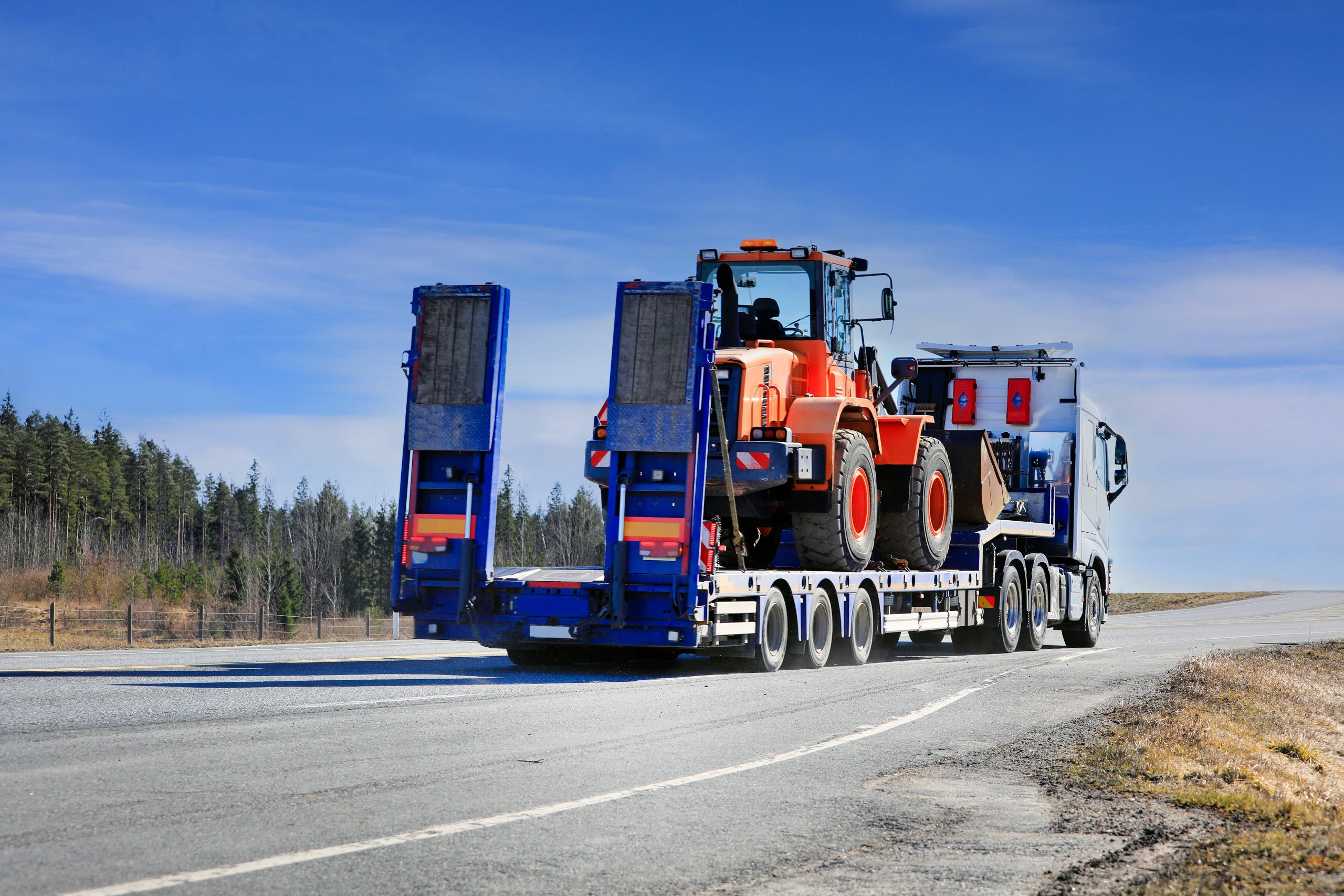
Lowboy and heavy-haul trailers are critical assets in construction, infrastructure development, mining, energy, and industrial logistics, where the safe transport of oversized and heavy machinery is essential. These specialized trailers are designed to carry excavators, bulldozers, cranes, industrial generators, and other large equipment that exceeds standard hauling limits. Their low deck height allows for easier loading and improved stability, making them ideal for transporting tall and heavy loads while maintaining safety and compliance on the road.
However, acquiring or upgrading a fleet of lowboy and heavy-haul trailers requires significant investment in reinforced steel construction, hydraulic systems, multi axle configurations, and specialized ramp systems. Equipment financing provides a flexible solution that allows businesses to acquire these critical assets without large upfront capital expenditures, helping organizations maintain liquidity while expanding their heavy transport capabilities.
Handle Oversized Loads with Advanced Lowboy Trailer Technology
Modern lowboy trailers are engineered for extreme durability and performance, featuring reinforced frames, extendable decks, hydraulic detachable gooseneck systems, and adjustable axle configurations that allow operators to handle a wide range of heavy and oversized loads. Hydraulic ramps and advanced loading systems make it easier and safer to load and unload construction machinery and industrial equipment, even in challenging environments.
Scale Your Heavy Haul Operations to Meet Growing Demand
Demand for heavy equipment transportation often fluctuates based on infrastructure projects, construction cycles, industrial expansion, and energy sector development. Without sufficient trailer capacity, businesses may face project delays, missed deadlines, and reduced service capabilities. The ability to scale quickly is essential in maintaining competitiveness in heavy haul logistics.
Equipment financing enables organizations to expand their fleet of lowboy and heavy-haul trailers as needed without tying up working capital. This flexibility allows businesses to respond to new contracts, larger projects, and increased transport volumes while maintaining financial stability. By financing fleet expansion strategically, companies can preserve liquidity for fuel, permits, staffing, and other operational requirements while ensuring they remain ready to meet evolving industry demands.
Bundle Trailers, Equipment & Services into One Financing Solution
Heavy haul operations require more than just trailers. Many businesses rely on specialized tractor units, hydraulic loading systems, safety chains, oversize load signage, GPS tracking systems, permitting services, maintenance programs, and operator training. Managing these components separately can increase administrative complexity and lead to inconsistent budgeting and operational inefficiencies.
Equipment financing simplifies procurement by bundling trailers, tractors, accessories, installation services, maintenance agreements, and training programs into a single structured financing solution. This creates predictable monthly payments, improves cost control, and streamlines fleet management. The result is a fully equipped heavy haul operation that is ready for immediate deployment with reduced administrative burden and improved financial visibility.

Transport Oversized Loads with Affordable Financing Options
Lowboy and heavy-haul trailers play a vital role in keeping large scale projects on schedule by ensuring safe and efficient transport of oversized and heavy equipment. Reliable hauling solutions reduce downtime, minimize transport risks, and support continuous progress on construction, infrastructure, and industrial projects.
Equipment financing allows businesses to modernize or expand their heavy haul fleets without large upfront capital investments. By spreading costs into manageable monthly payments, organizations can preserve cash flow for strategic priorities such as expansion, workforce development, equipment maintenance, and project bidding opportunities. This approach supports long term operational strength while maintaining financial flexibility and scalability.